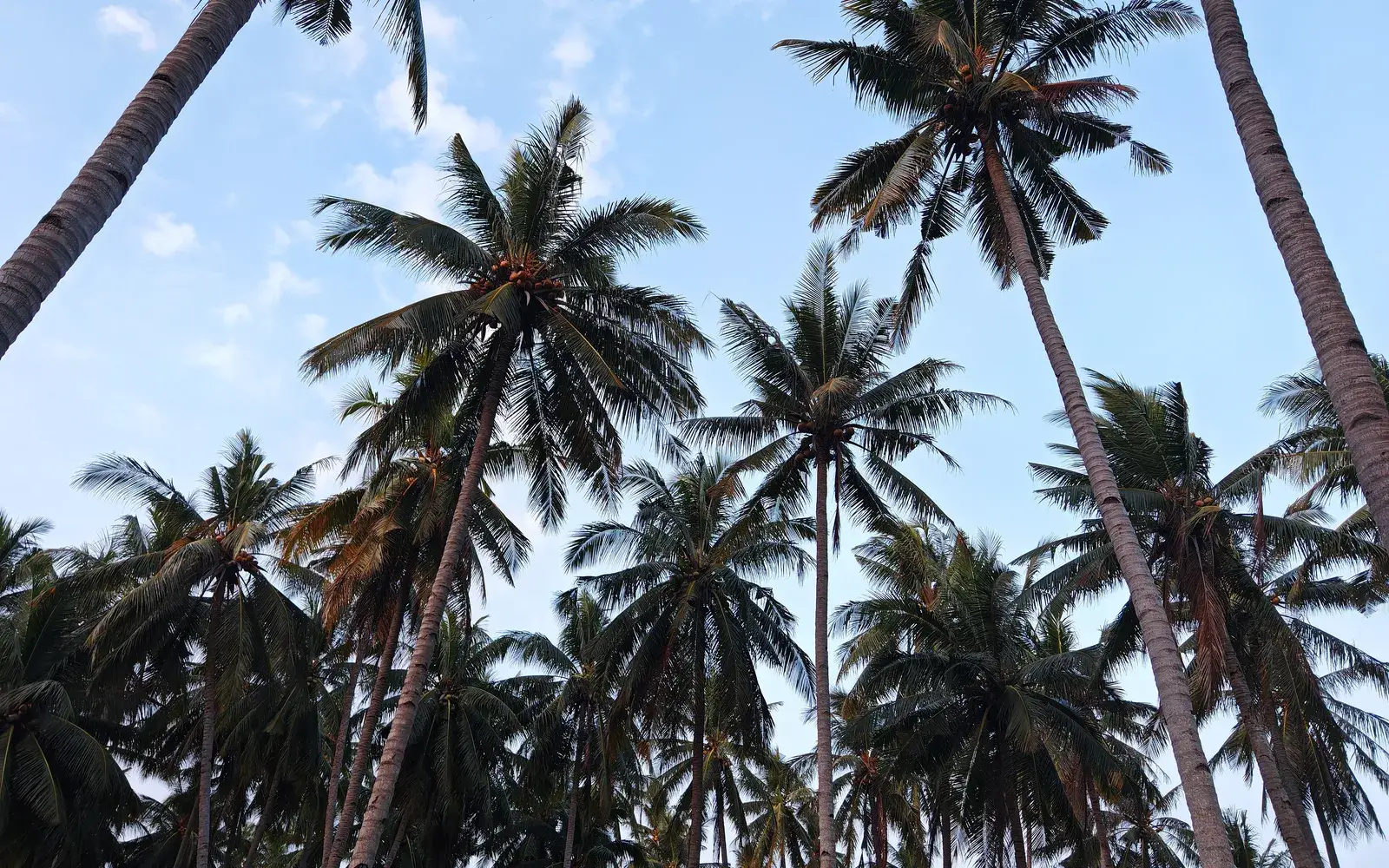
KEDIRI — Indonesia is known as one of the world's largest coconut producers, alongside the Philippines. Most of these coconuts grow on smallholder farms spread across thousands of islands, from Sumatra to Maluku. This makes Indonesia's coconut supply chain unique: its sources are vast, but also fragmented.
For international buyers, understanding this chain is essential to judge a supplier's reliability. Every stage, from harvest to vessel loading, directly affects the quality of the product received.
From farm to collection centre
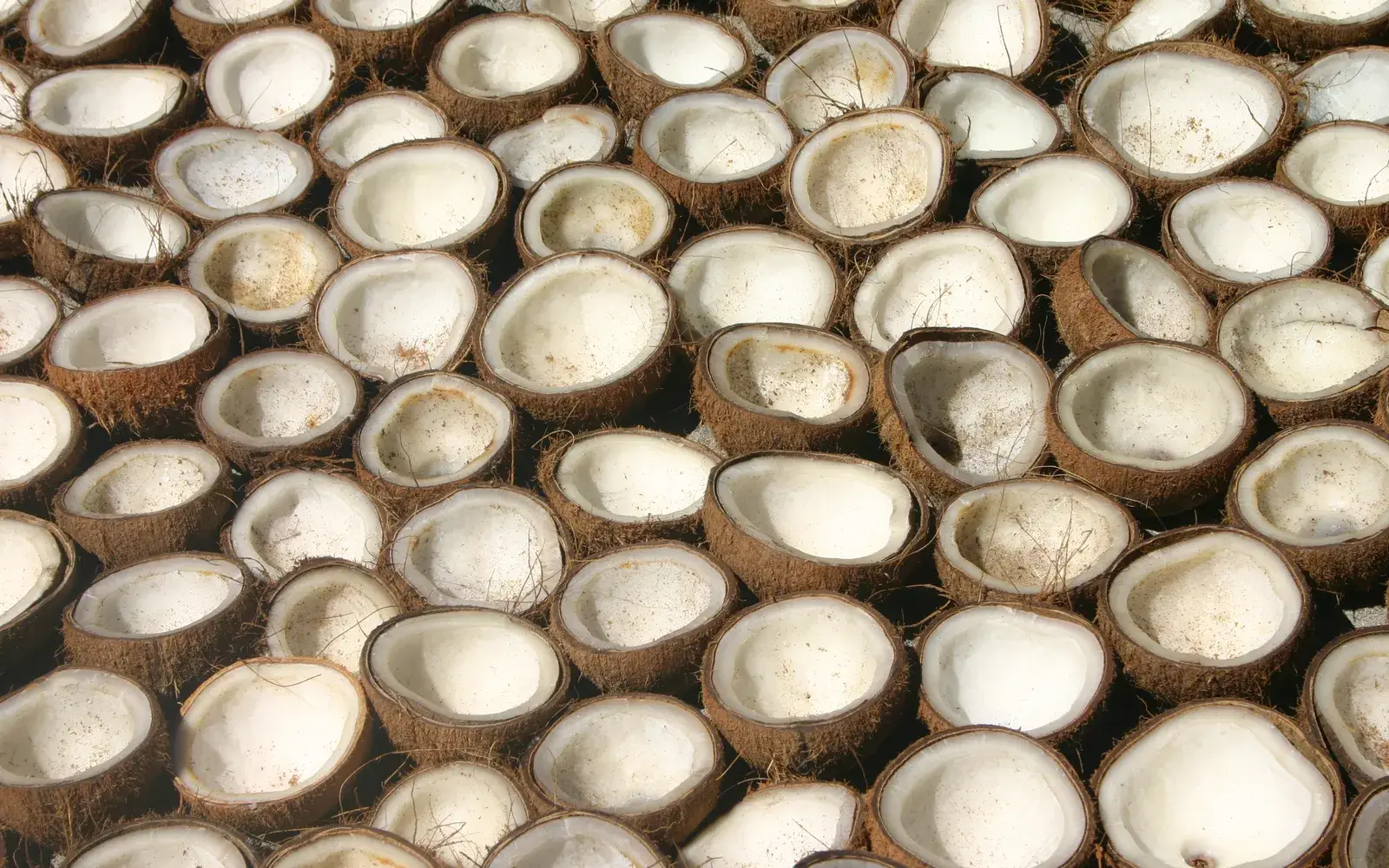
Farmers harvest mature coconuts, split them and dry the meat into copra, using sun drying, smoke kilns or hot-air dryers. Local traders then gather the copra at collection centres before it is shipped between islands.
Quality starts to be decided here. Copra with too much moisture risks mould growth and rising free fatty acid (FFA) levels during transport.
Inter-island shipping and processing
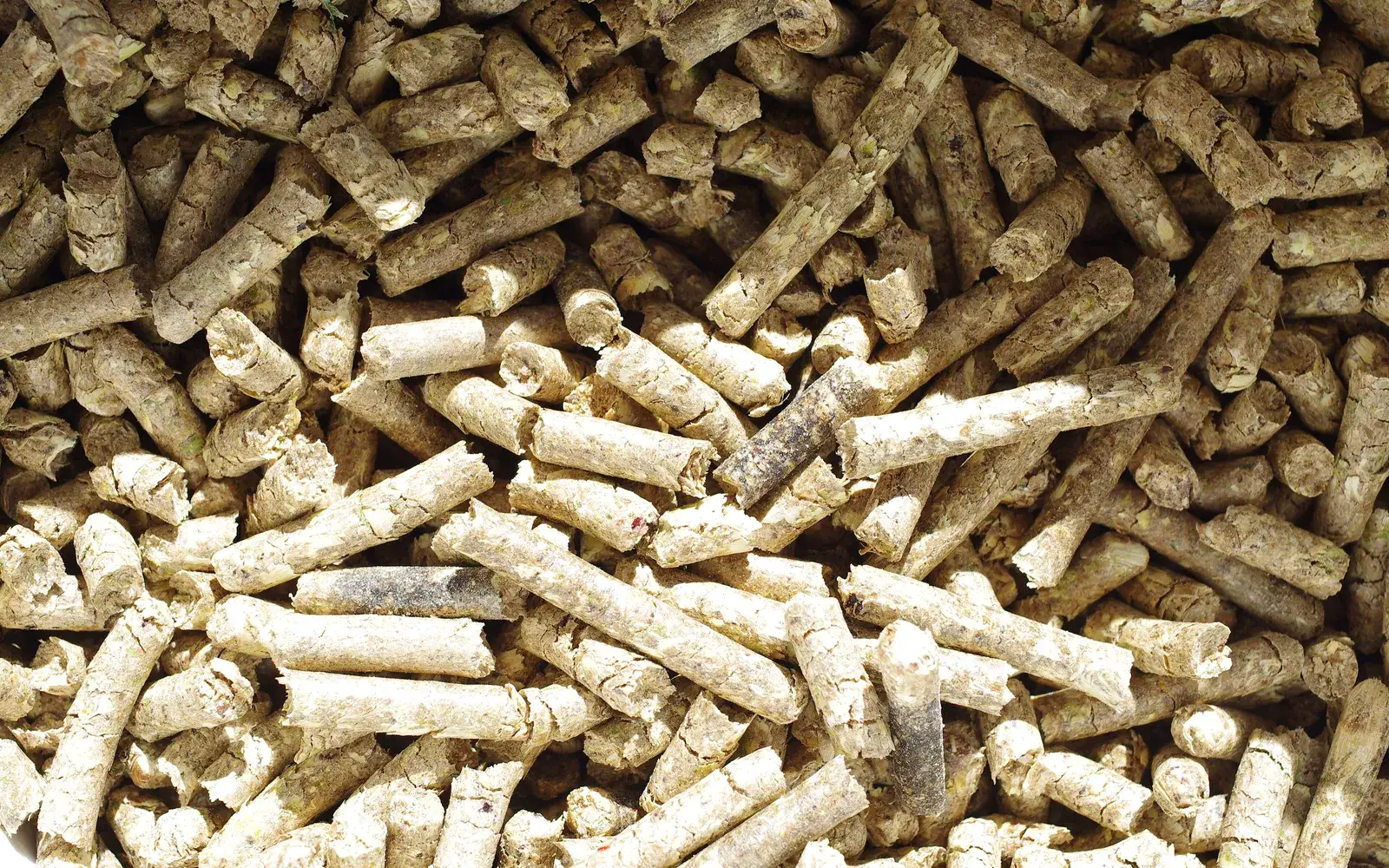
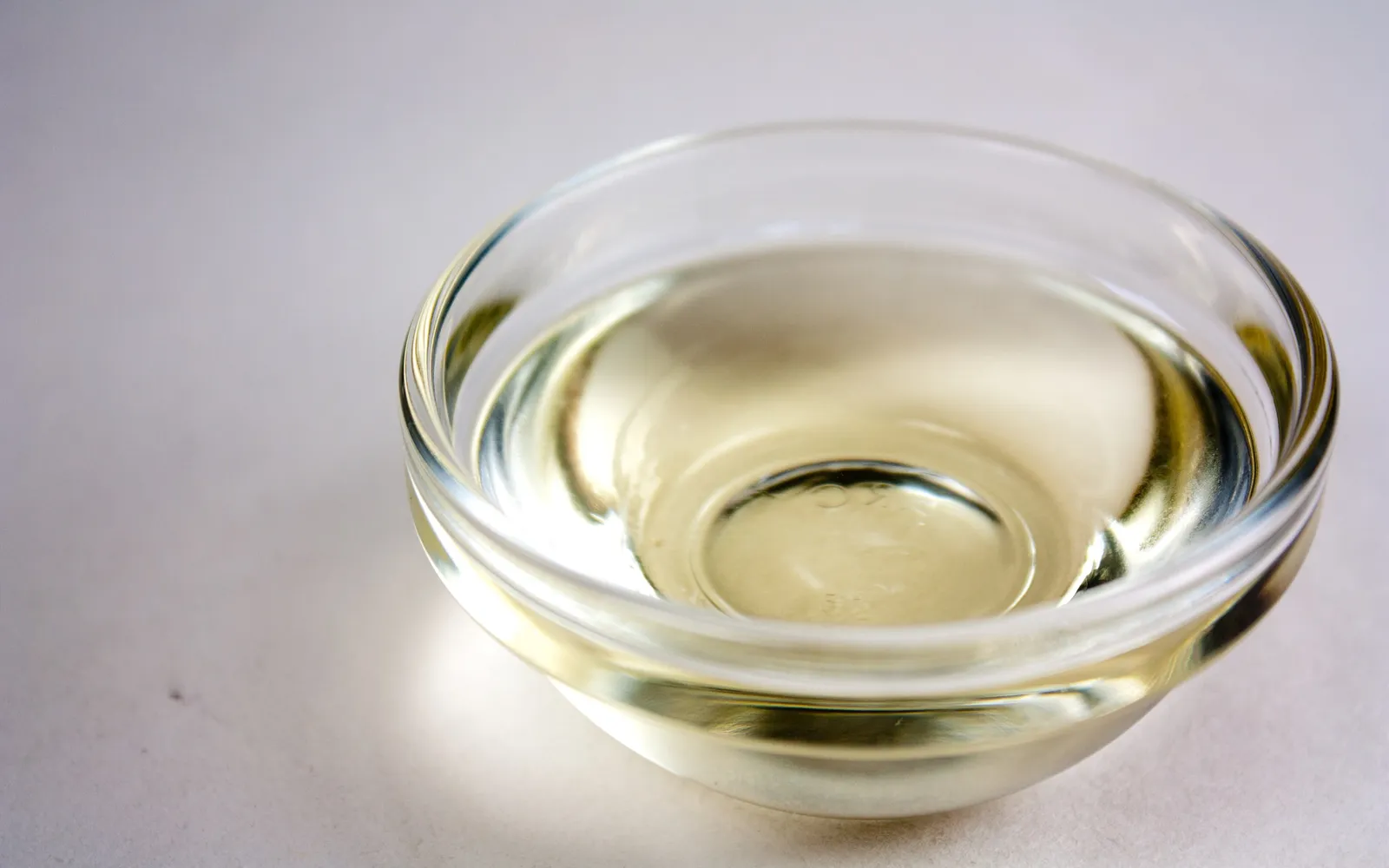
From collection centres, copra travels by container or vessel to the processing site. At the mill, it is inspected, sorted and pressed to produce Crude Coconut Oil (CNO) and a by-product, coconut expeller meal.
CV ECHOTECH, for example, coordinates eight copra sourcing centres in four provinces of Eastern Indonesia and processes the material at its production site in Sambirejo, Kediri, East Java.
Towards the export market
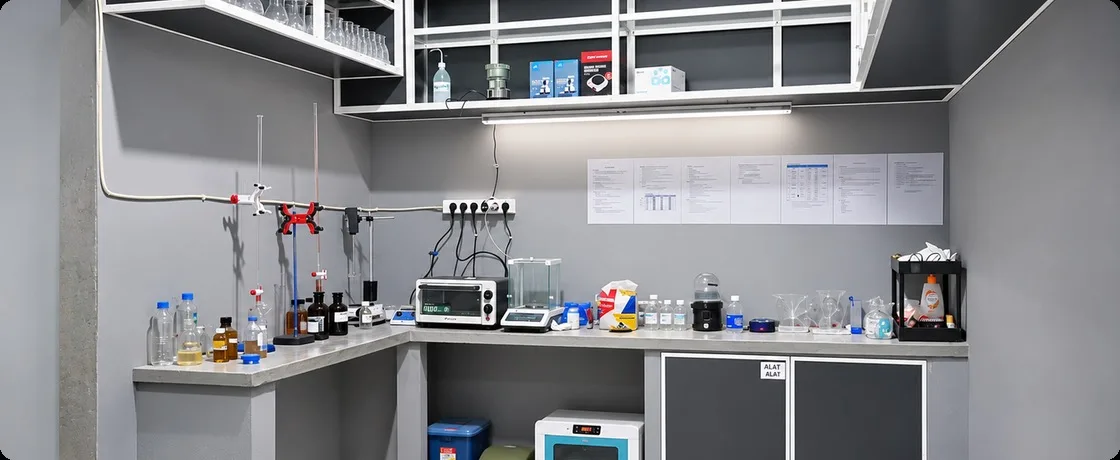
The final stage is export preparation: final quality inspection, documents such as the Certificate of Analysis (COA), and loading into flexitanks or other packing agreed with the buyer.
A well-coordinated supply chain gives buyers three advantages:
- More stable supply, because raw material comes from several regions at once.
- More consistent quality, because inspection happens at every stage.
- Clearer information, because raw material origin and production batches are recorded.
For importers and industrial users, choosing a supplier that can manage the entire chain is the first step towards a safe, long-term partnership.