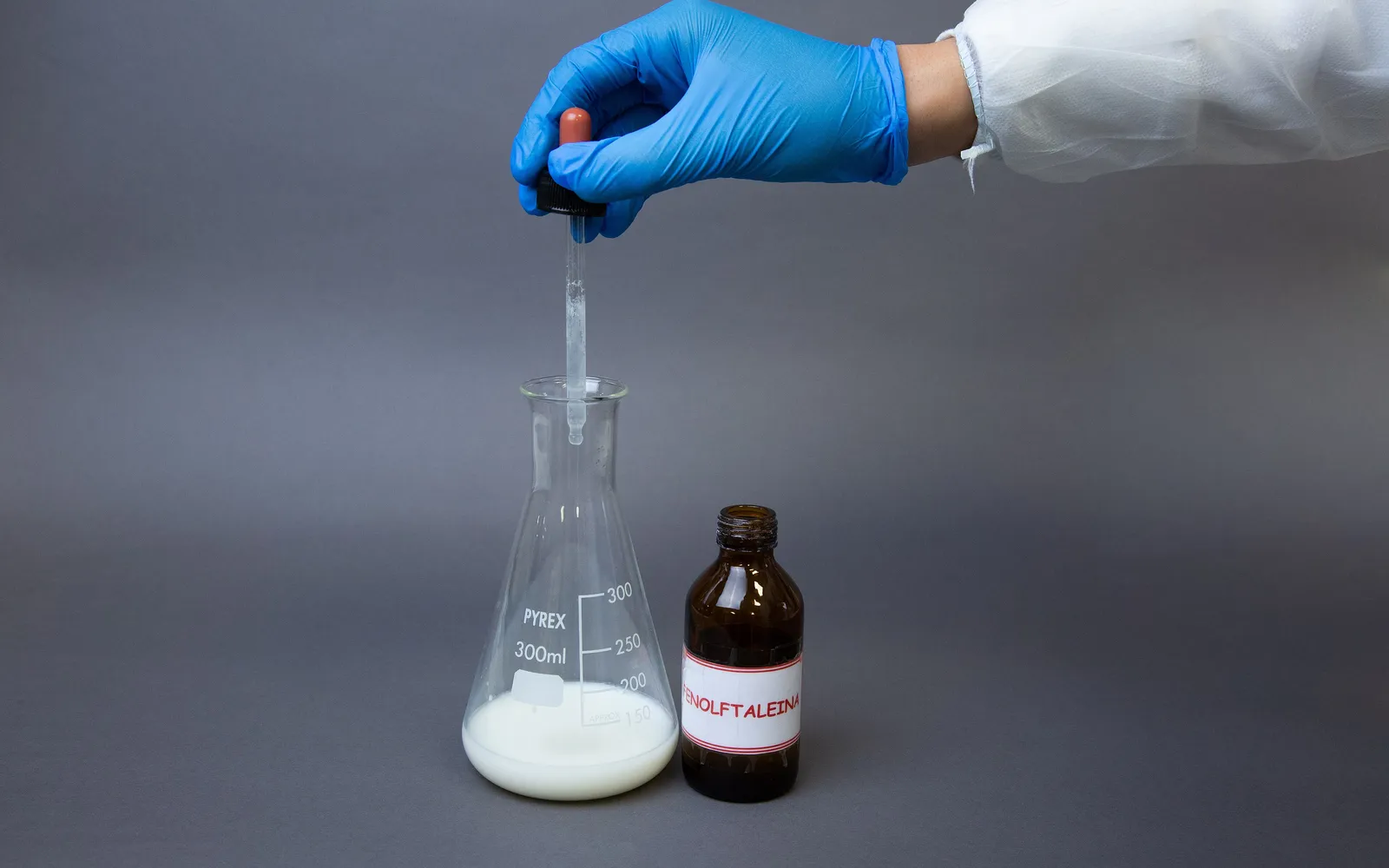
KEDIRI — Almost every crude coconut oil shipment comes with one important document: the Certificate of Analysis, or COA. It contains laboratory test results for a sample of the batch being shipped. For buyers, the COA is the tool to confirm that the product matches the contract specification.
Parts of a COA
A COA usually includes the laboratory's details, the product name, sampling and analysis dates, the sample or batch identity, and a results table listing each parameter, its result and the test method.
Commonly listed parameters
- Free fatty acid (FFA): usually expressed as lauric acid. The lower it is, the better the oil's condition and the lighter the refining process.
- Moisture and impurities: shows how clean the oil is. High moisture can speed up oil deterioration during storage.
- Iodine value: indicates the degree of unsaturation. Coconut oil has a low iodine value, in line with its character as a saturated oil.
- Colour: usually measured on the Lovibond scale (Yellow and Red). Colour affects the bleaching load at the refinery.
- Saponification value and peroxide value: sometimes included at the buyer's request.
Comparing the COA with the contract
The most important step is to match each result against the specification limits in the contract. For example, CV ECHOTECH's CNO specification sets FFA at max. 5.0%, moisture and impurities at max. 1.0%, iodine value at 7.5 – 11.0 and colour at 5.5 Yellow / 0.6 Red.
Also check the test methods used. Different methods can give slightly different figures, so it is best to agree on methods from the start.
Who does the testing?
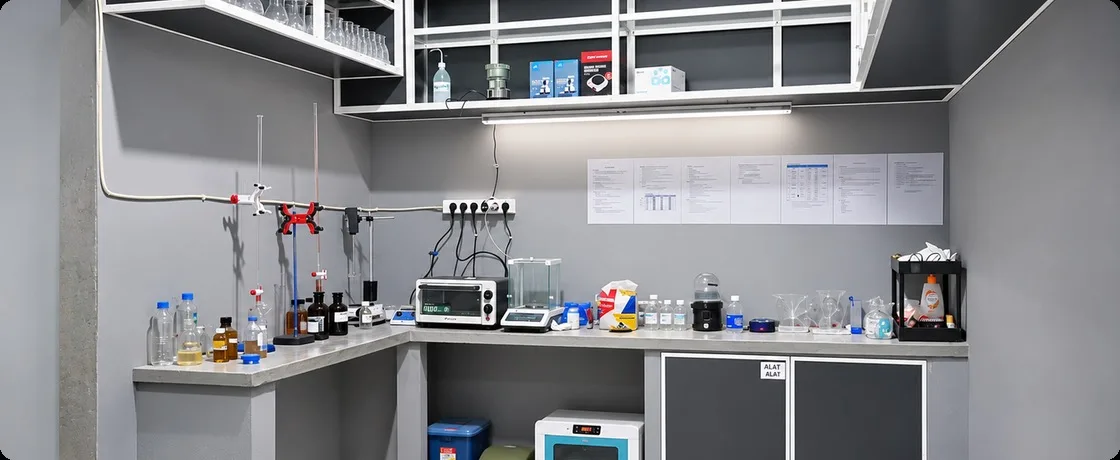
A COA can be issued by the supplier's in-house laboratory or by an independent laboratory. For export transactions, many buyers ask for analysis by an independent surveyor. At CV ECHOTECH, a COA can be provided per batch, and inspection and sampling terms can be coordinated according to the needs of each transaction.