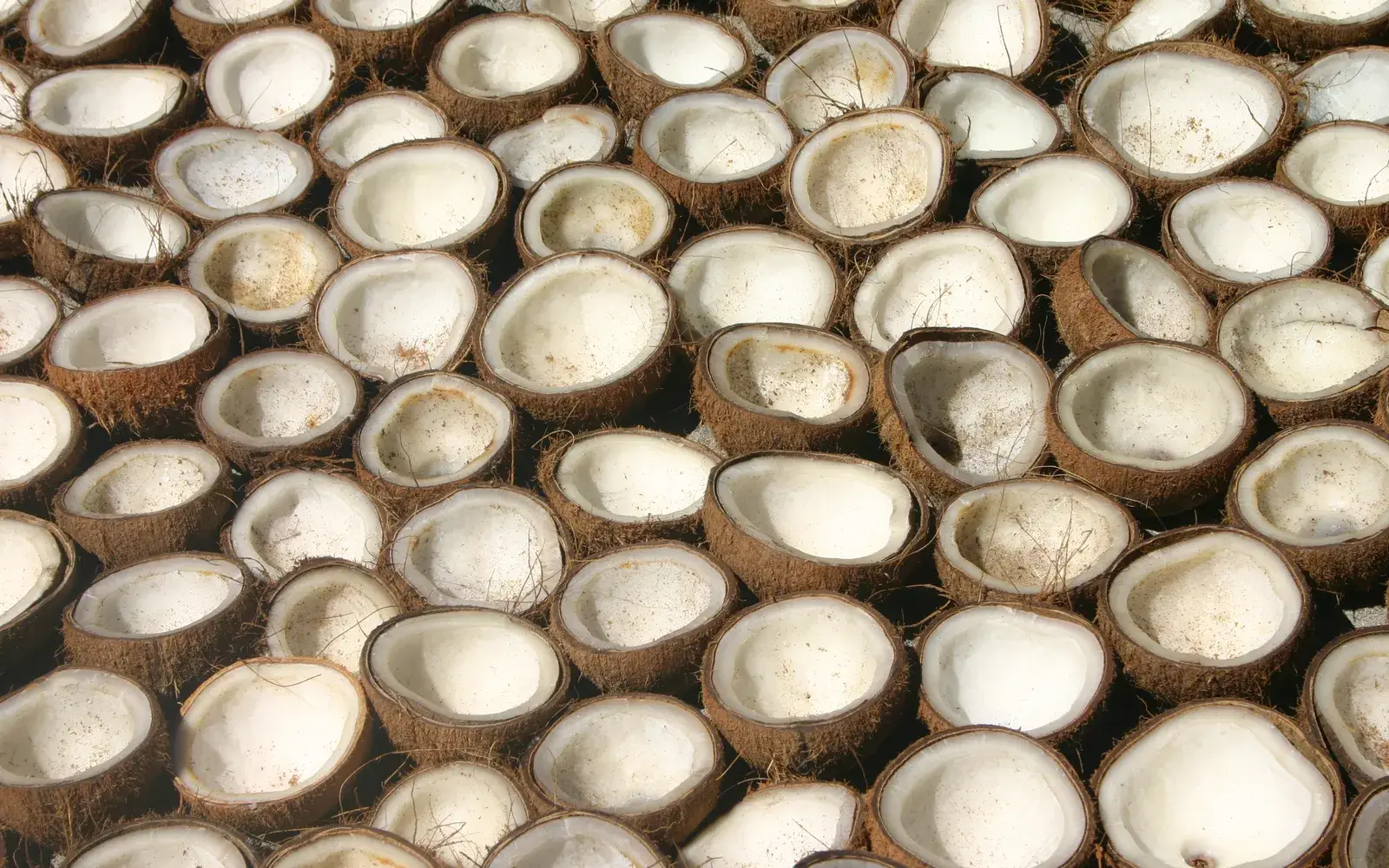
KEDIRI — For an oil mill, copra is the main raw material and the largest cost item. Small differences in copra quality can have a big impact on oil yield and on the quality of the CNO produced. Buyers of milling copra therefore need to understand the quality parameters written in their contracts.
1. Oil content
Oil content shows how much oil can be extracted from the copra. The higher it is, the better the yield. CV ECHOTECH's milling copra specification sets a minimum oil content of 63%.
2. Moisture
Ideal moisture is in the 6% – 10% range. Copra that is too wet easily grows mould and drives up FFA, while copra that is too dry loses weight and becomes brittle during handling.
3. Free fatty acid (FFA)
The FFA of copra determines the FFA of the resulting oil. A maximum of 3% helps keep the pressed CNO within the specification that refineries require.
4. Mould
Mould is not just a cosmetic problem. Mould growth can lower oil quality and increase contamination risk. A maximum of 5% mould is one of the acceptance criteria.
5. Origin and traceability
The origin of copra affects the character of the raw material. Recording origin, supplier and lot number makes it easier to trace any quality differences later.
How is inspection carried out?
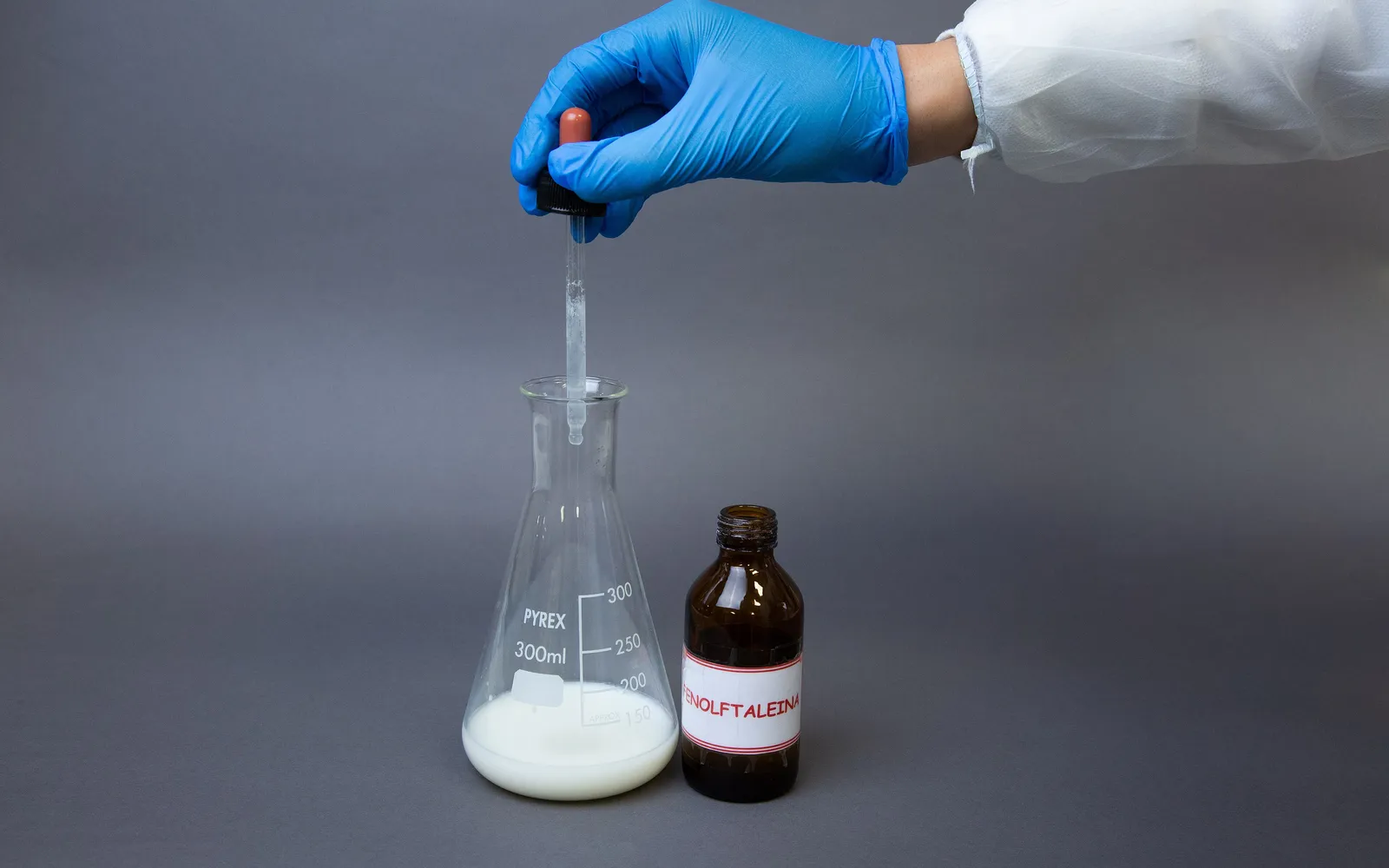
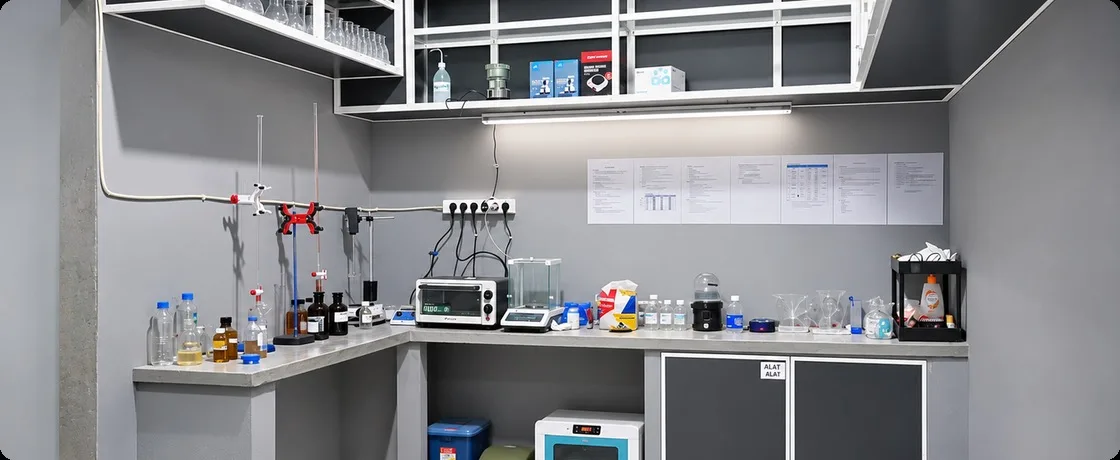
At CV ECHOTECH, every copra delivery passes seven receiving steps: identifying the supplier and origin, recording type and quantity, checking physical condition, sampling and parameter testing, deciding acceptance status, separating non-conforming material, and recording results before storage.
Buyers can also agree on sampling methods and additional testing before the transaction. Clear parameters from the start are the key to protecting both parties.