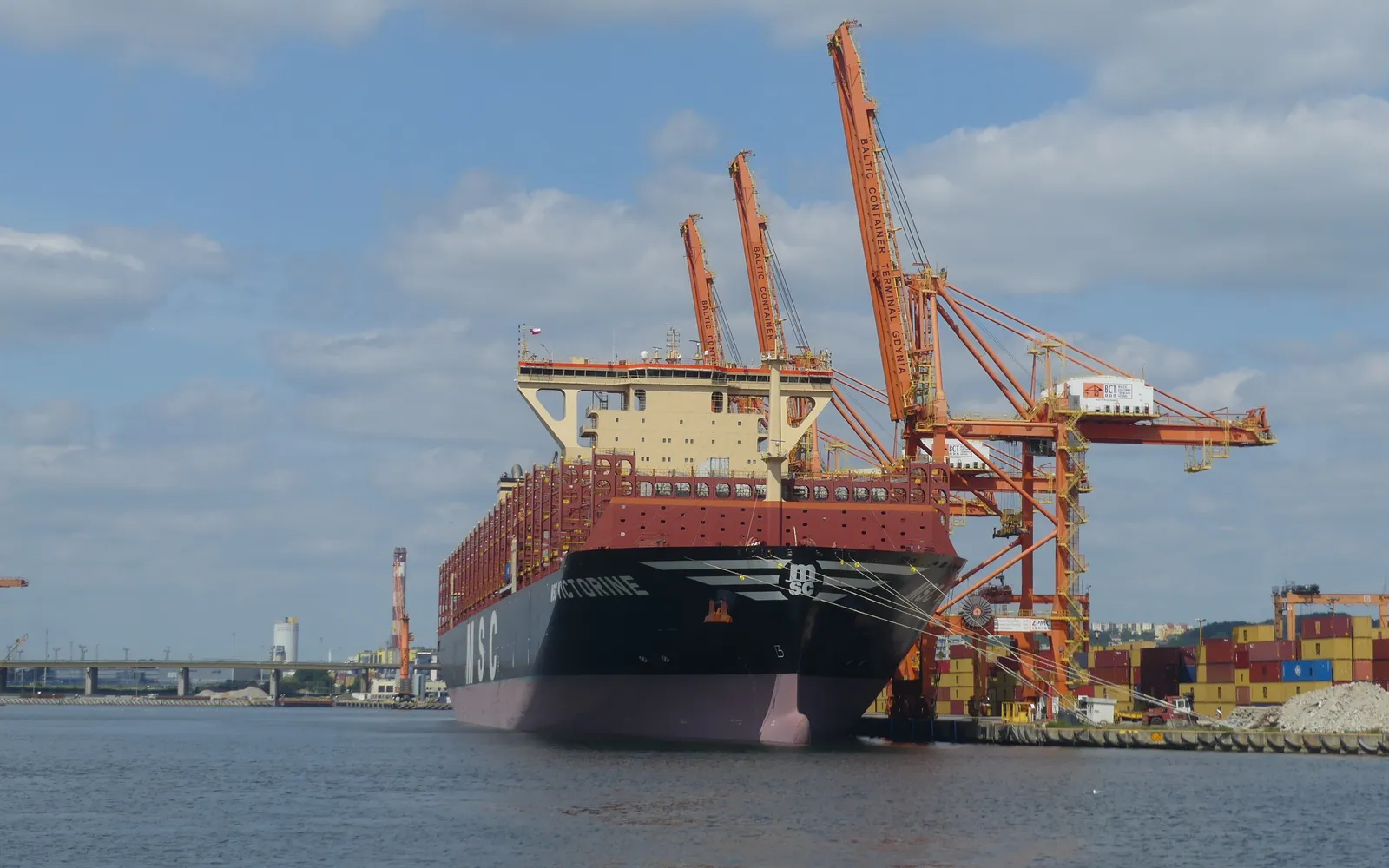
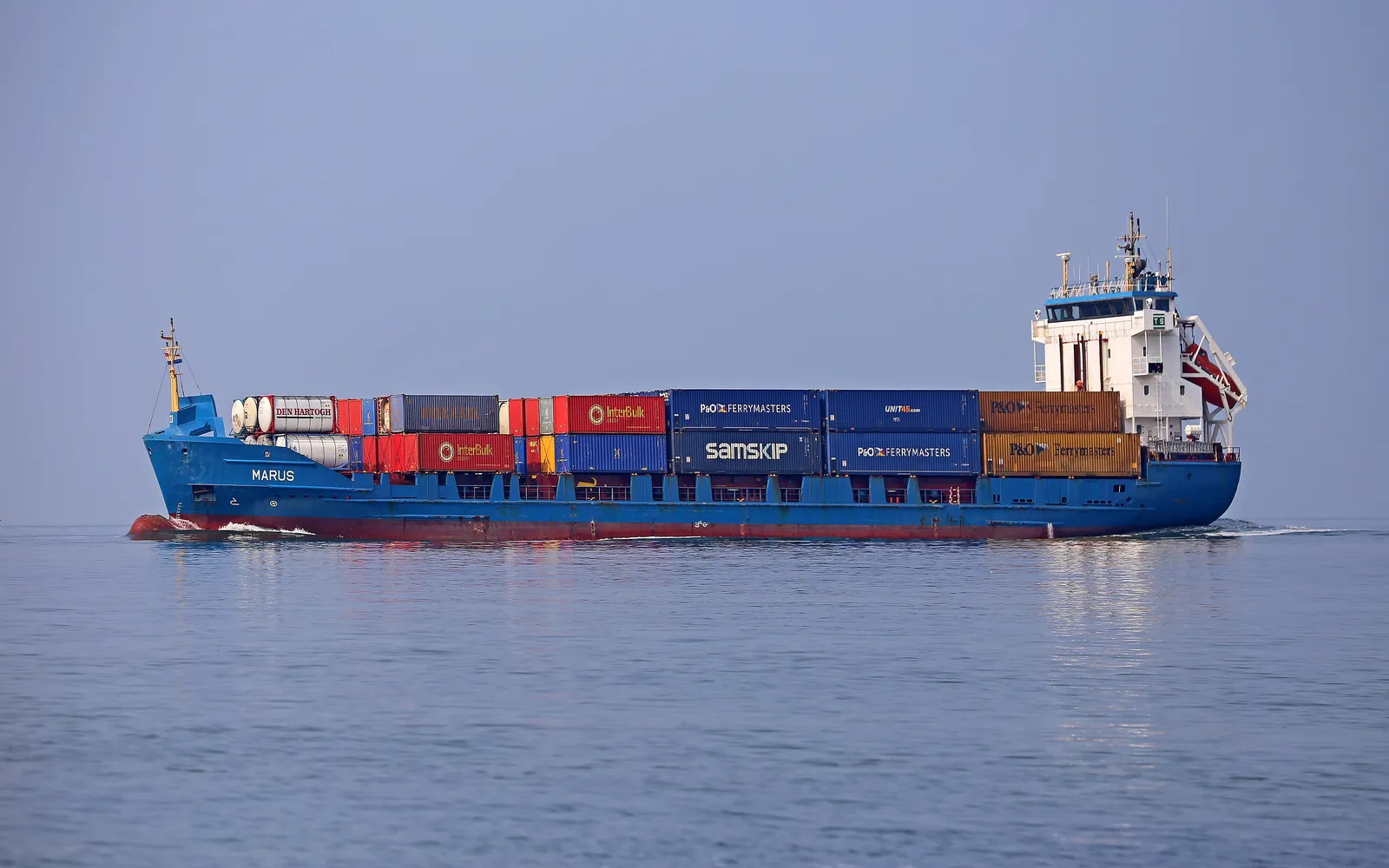
KEDIRI — Shipping large volumes of oil overseas used to mean drums or tanker vessels. Today, many vegetable-oil exporters choose flexitanks: large single-use bags installed inside standard 20-foot containers.
What is a flexitank?
A flexitank is a multi-layer bag made of polyethylene, designed for non-hazardous liquids. One flexitank can usually hold up to about 24,000 litres, depending on its size and the cargo. After discharge at destination, the bag is discarded, so there is no risk of contamination from previous cargo.
Advantages for CNO shipments
- Larger volume per container compared with drums.
- Lower packing and handling costs.
- Faster loading and discharge with pumps.
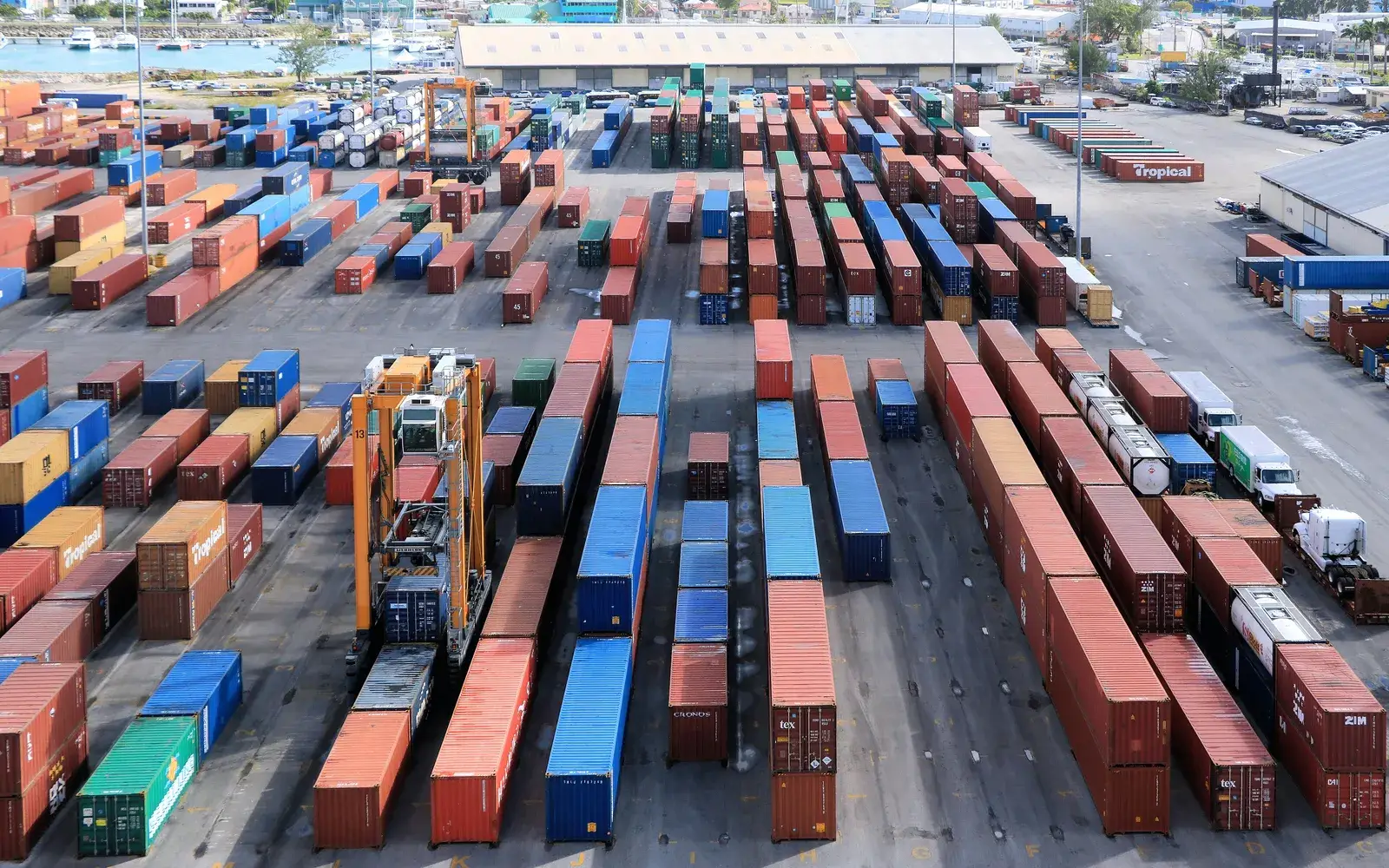
- Standard containers are easy to find at many ports.
Important: temperature and heating
Coconut oil solidifies below about 24°C. If the shipment goes to a cold-climate country or takes a long time, the oil can solidify inside the flexitank. That is why flexitanks for coconut oil are often fitted with a heating pad at the bottom, so the oil can be melted again before it is pumped out.
Preparation before loading
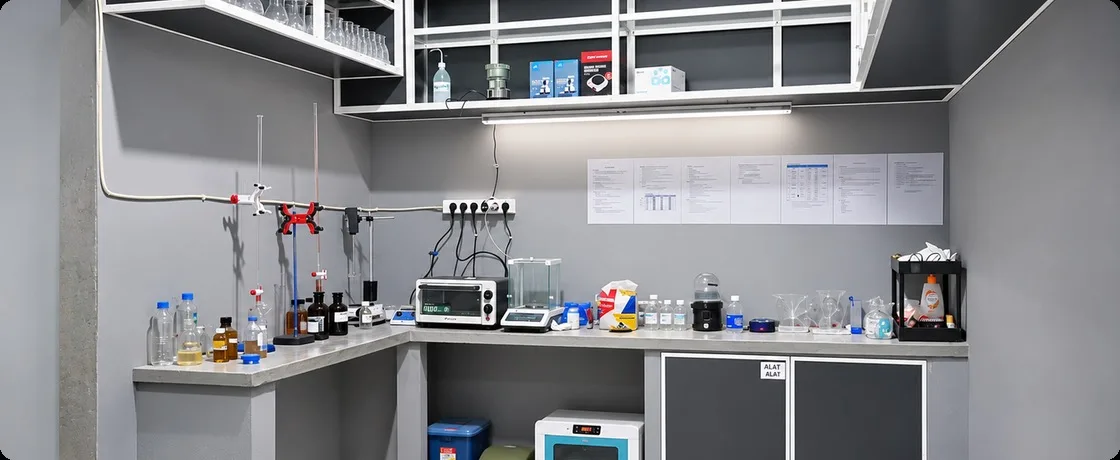
Before loading, the container is checked for cleanliness and condition, the flexitank is installed according to procedure, and the oil is pumped in through the valve. Samples are taken for the Certificate of Analysis (COA), and the whole process is documented.
At CV ECHOTECH, loading CNO into flexitank containers is part of shipment preparation. The packing type, loading location and shipping schedule are always confirmed with the buyer before the transaction to match the port and facilities in the destination country.